
Checking Criminal History in Knox County
No single screen contains all Knox County criminal records. The Criminal Court Clerk holds local prosecution files, including Criminal Court, General Sessions Criminal, and Fourth Circuit matters. The Knox County Sheriff's Office maintains county booking and current-custody data. The Tennessee Bureau of Investigation links reportable fingerprint arrests to dispositions sent by the courts. TDOC tracks felony custody and supervision, while federal cases sit outside this county chain.
Use a full legal name, known spelling variations, date of birth, and a case or booking number when one is available. Common names need more than a name match. Compare the court division, charge, date, and custody source before treating a result as the same person.
- Search the Criminal Court Clerk's court-date and daily-docket tools for a Knox County prosecution.
- Check the official KCSO inmate or recent-booking channel when the event is new or custody is the main question.
- Call the clerk or detention facility if the online result is missing, unclear, old, or newly entered.
- Use TORIS for a Tennessee name-based record and FOIL only for felony custody or supervision.
- Request a certified disposition from the clerk when the final court outcome must be documented.
The official Knox Criminal Court Clerk homepage shows the county's court tools and service routes.
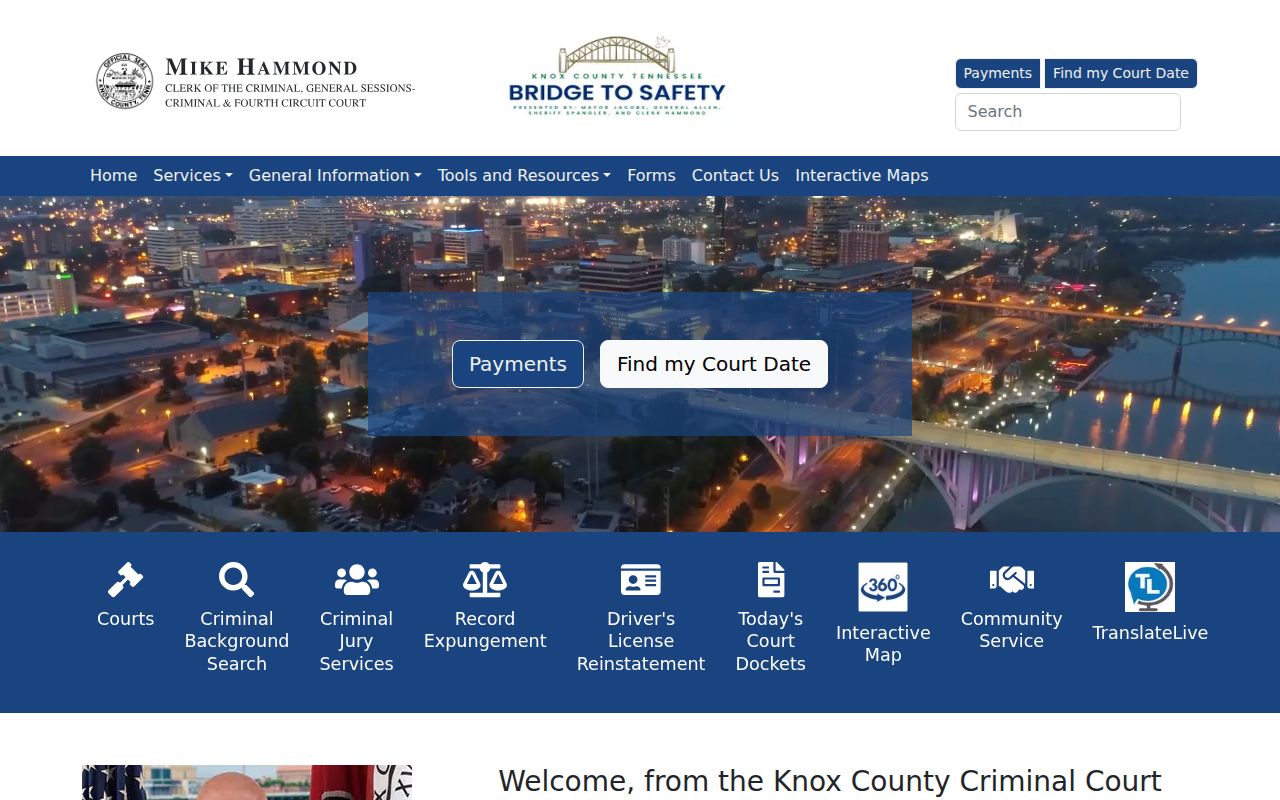
That clerk route is the proper starting point for a docket, filed charge, judgment, sentence, or certified disposition.
Four Knox County Criminal Record Answers
One event may create four distinct Knox County records. A KCSO booking entry answers whether a person entered county custody and may show an intake charge, bond, and court date. The clerk file shows what prosecutors filed and how the court resolved each count. A TBI history connects fingerprint-supported arrest cycles to outcomes reported by clerks. TDOC FOIL concerns felony incarceration, probation, parole, or inactive status.
This difference explains why sources may appear to disagree. A recent jail entry can precede the court case. Prosecutors can amend an intake charge. A disposition may not yet have reached TBI. FOIL may have no result because the person never entered state felony custody or supervision.
| Source | Best question | Main limit |
|---|---|---|
| KCSO | Recent booking or county custody | Not the final court outcome |
| Criminal Court Clerk | Charge, docket, disposition, sentence | Does not supply an officer narrative |
| TBI TORIS | Reported Tennessee arrest and outcome history | Public query is name-based and omits aliases |
| TDOC FOIL | Felony custody or supervision | Not a county arrest log |
The clerk's local justice-agency directory helps route a request to the right custodian.
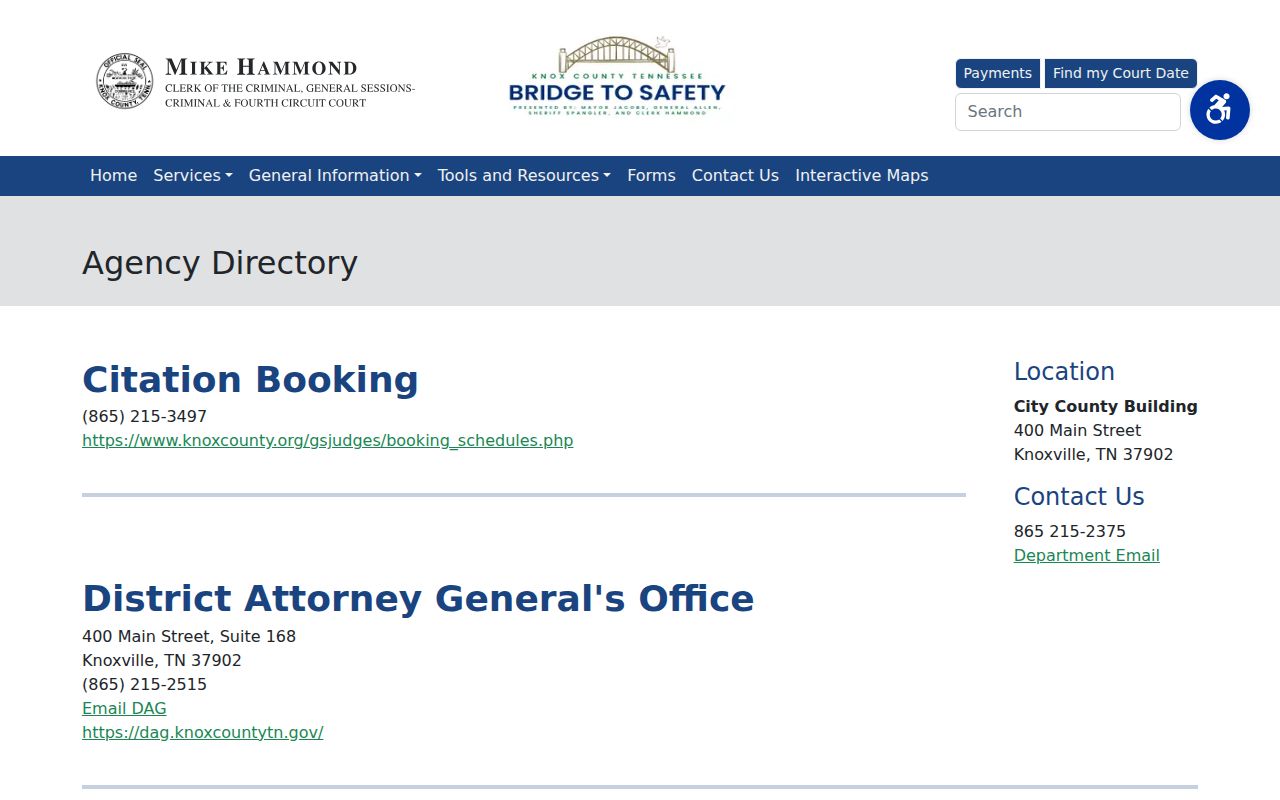
The directory is useful when a name search must become a direct call to the sheriff, jail, court, police, or probation office.
Tennessee Official Background Checks
TBI's TORIS, also called TN-FlexCheck, is the public Tennessee name-based product. It costs $29 per request, and the fee is nonrefundable. The underlying state history is built from misdemeanor and felony arrest fingerprints, yet the public search itself uses a name. TORIS does not include aliases in that query and excludes most juvenile data unless the matter moved to adult criminal court.
A fingerprint-based personal review is the stronger identity route for someone reviewing or challenging their own TBI file. TBI accepts fingerprint-card submissions for that purpose. IdentoGO handles electronic fingerprints for checks that a Tennessee law or authorized agency requires, using an agency-provided OCA code. The FBI Identity History Summary is also subject-only, uses fingerprints, and carries the FBI's published $18 fee. It is broader than Knox County, but it does not replace a certified local disposition.
Published charges also differ by route. TORIS costs $29, while the FBI publishes an $18 fee before any channeler charge. IdentoGO pricing depends on the authorized program and OCA. Ask the Knox County clerk to confirm the current price of a local search package.
Knox County TORIS Record Limits
TORIS is easy to misread as a fingerprint search because fingerprints supply the repository data. The customer still submits a name. A missing alias, similar name, unmatched identifier, or delayed disposition can affect the result. The portal first asks a card customer to continue or a billable-account holder to enter a username and password. Subject-name fields appear after the payment path, so they should not be guessed from the landing screen.
The $29 charge can be paid by Visa, MasterCard, or Discover. TBI warns that result PDFs may not display well on a mobile device. A desktop or laptop is the safer choice. The result indicates whether a potential Tennessee history exists and forwards the matching record when one is found.
| Visible control | Type | Use |
|---|---|---|
| Credit Card Customers, Continue | Button | Starts the $29 card path |
| User Name | Text | Existing billable account |
| Password | Password | Existing billable account |
| Login or submit | Button | Continues the selected route |
The official TORIS entry screen displays the two payment paths.
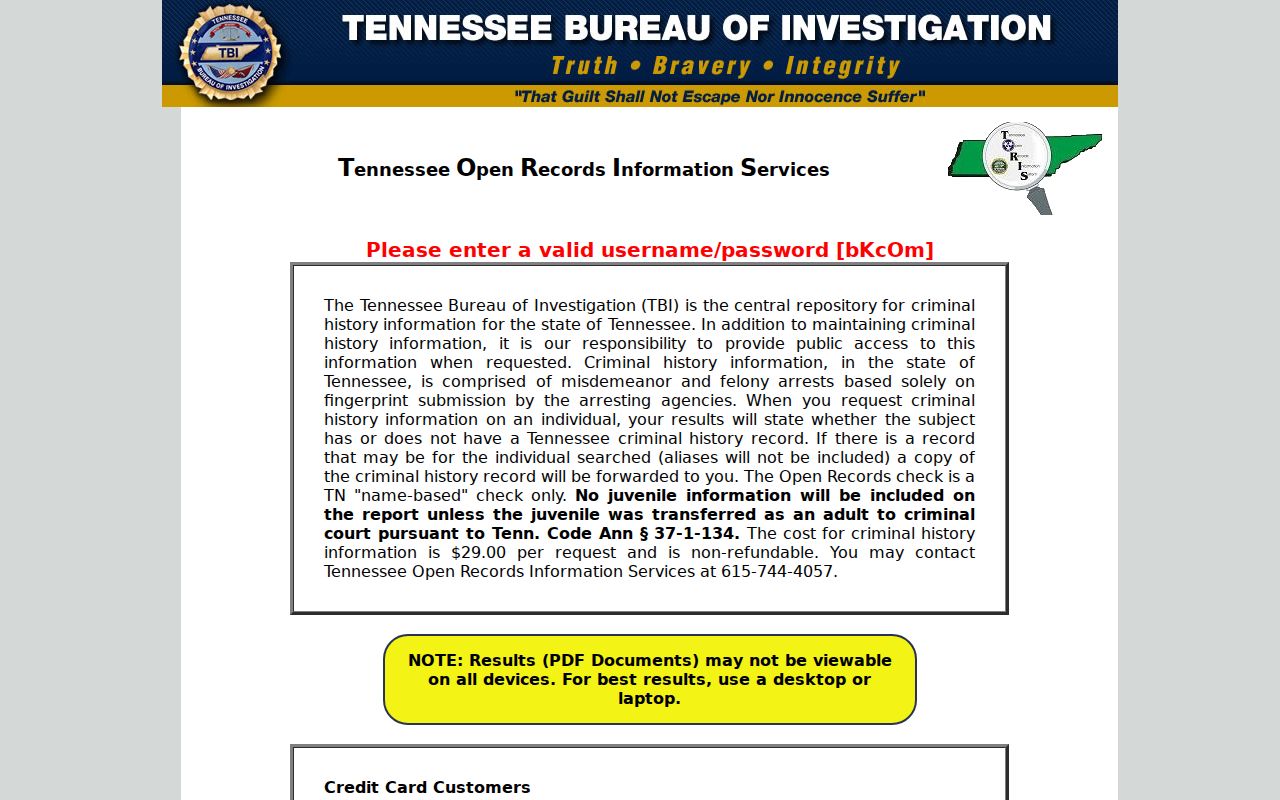
The screen confirms that a statewide name check and a county court search are separate products with different uses.
Criminal Record Types
Knox County criminal records are grouped by who created them. An arresting agency writes an incident or arrest report. KCSO creates a booking entry after admission to a county facility. A judge or judicial commissioner creates warrant, probable-cause, bond, and early appearance records. The clerk records the filed prosecution. TBI adds the fingerprint arrest cycle and reported disposition to the statewide history.
- Police and arrest reports: officer accounts held by KCSO, KPD, UTPD, THP, or another arresting agency.
- Booking records: KCSO intake and custody data, including charges and bond fields.
- Court case files: complaints, indictments, motions, pleas, judgments, and sentences held by the clerk.
- Warrants: court-issued process that may be public, sealed, juvenile, or still restricted.
- Custody and supervision records: county jail information from KCSO and felony status through TDOC.
- Registry records: qualifying offender information published by TBI for public safety.
Each source answers a narrow question. For detail on charges and judgments, use the Knox County criminal court case record rather than a booking label.
Knox County Booking Record Flow
The local record path is visible in Knox County geography. Custody records begin at a KCSO correctional site, while court filings are held downtown at the City-County Building. A person may be booked at the Roger D. Wilson Detention Facility on Maloneyville Road, then appear through General Sessions before a felony accusation moves to one of three Criminal Court divisions.
Record flow: Arresting agency › KCSO booking › judicial commissioner › General Sessions › Criminal Court when bound over › TBI disposition update.
That sequence can take time. Intake charges may be dismissed, amended, or replaced by a grand-jury indictment. The current jail portal should answer custody questions, while the clerk file should answer what the prosecution became. TDOC FOIL begins at a different point, when felony confinement or community supervision enters the state system.
The official TDOC FOIL search shows its name, TDOC ID, and State ID routes.
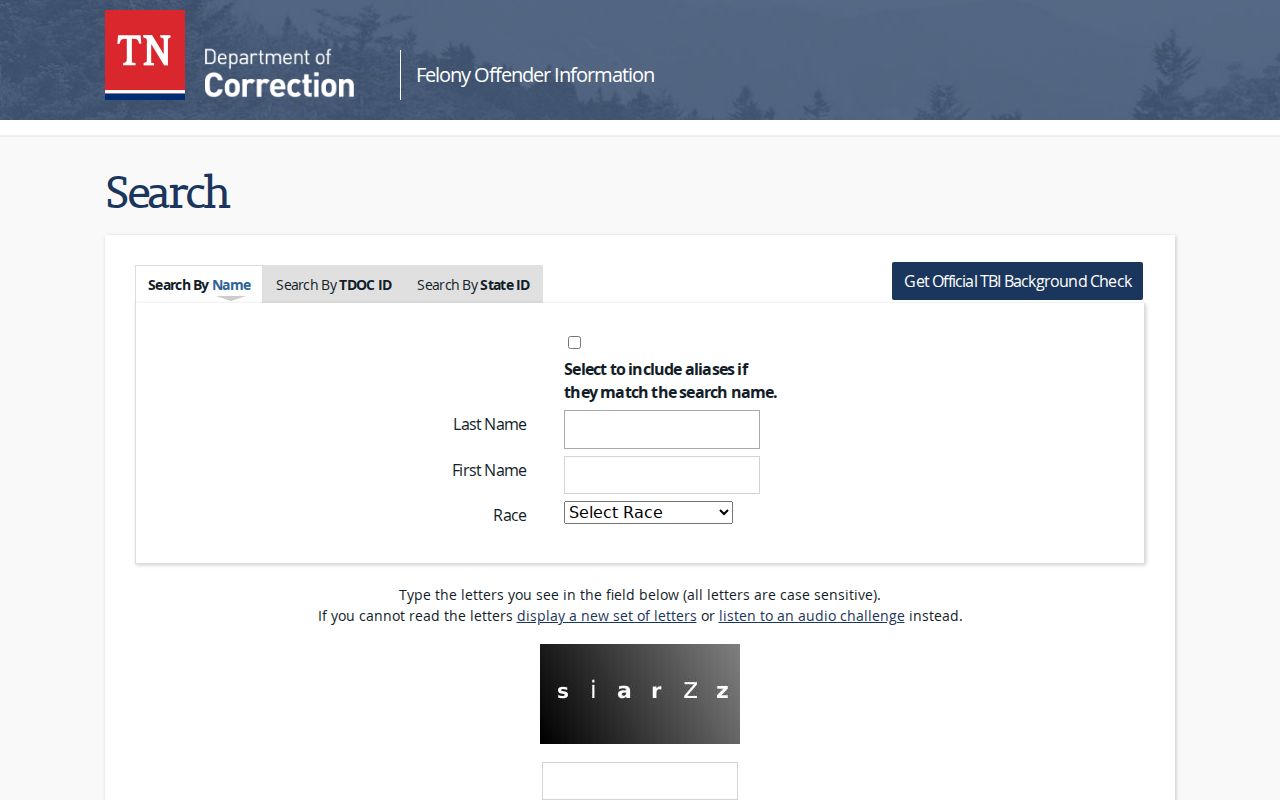
FOIL can add felony location, offense, sentence, hearing, or release data, but it cannot stand in for a Knox County booking search.
Inside a Knox County Criminal Record
A rap sheet organizes identity data around arrest cycles. A Knox County court file adds the local case number, court division, judge, filings, hearings, bond, disposition, costs, and sentence. A booking page emphasizes intake, document type, booking date, charge narrative, bond type, bond amount, and future court settings. Public versions omit or redact protected identifiers and confidential victim or juvenile data.
| Name and identifiers | Name, aliases when reported, birth date, SID or FBI identifiers, and the fingerprint basis. |
|---|---|
| Arrest and booking | Date, agency, charge, intake event, and county custody data. |
| Charges and statutes | Each count, charging instrument, description, and statute or class when entered. |
| Disposition | Dismissal, nolle prosequi, acquittal, conviction, diversion outcome, or another recorded result. |
| Sentence | Confinement, probation, fine, restitution, costs, and other court-ordered terms. |
| Custody or supervision | County jail status from KCSO or felony incarceration, probation, parole, and inactive status from TDOC. |
Read the final judgment, not just the first charge. A guilty plea in a judicial-diversion case can lead to probation, dismissal, and a later expungement order rather than an ordinary conviction.
Knox County Court Record Counter
For a filed case, the main local counter is the Criminal Court Clerk in Suite 149 of the Knoxville City-County Building, 400 Main Street SW, Knoxville, Tennessee 37902. The office publishes weekday hours of 8:00 a.m. to 4:30 p.m. and a main Criminal and General Sessions number of 865-215-2375. Ask there for older files, in-person inspection, plain copies, certified dispositions, and guidance on a case absent from the online calendar.
The District Attorney General works in Suite 168 of the same building, but the offices have different roles. The clerk maintains and certifies the court record. The prosecutor represents Tennessee. KCSO holds its incident reports and jail entries. Asking the right custodian first avoids a trip between Main Street and Maloneyville Road.
Criminal Court Clerk
400 Main Street SW, Suite 149
Knoxville, TN 37902
865-215-2375
Weekdays, 8:00 a.m. to 4:30 p.m.
Roger D. Wilson Detention Facility
5001 Maloneyville Road
Knoxville, TN 37918
865-281-6700
TDOC District 20
1426 Elm Street
Knoxville, TN 37921
865-582-2000
The official Knox County District Attorney site identifies its divisions and local justice programs.

The prosecutor's material helps explain charging and diversion, while copies of the judicial file still come from the clerk.
Public Access Laws in Tennessee
The Tennessee Public Records Act generally opens government records for inspection by Tennessee citizens unless another law creates an exception. Knox County custodians may redact or withhold active-investigation material, protected victim data, juvenile files, medical details, Social Security numbers, and jail-security information. A written request cannot make an expunged or sealed file public again.
Send the request to the office that made or keeps the record. Describe the date range, location, agency, record type, known case or booking number, and whether inspection or copies are wanted. Ask for an estimate when volume may affect cost. KCSO had no confirmed current fee schedule in the research, so a per-page amount should not be assumed.
Key Tennessee rules:
T.C.A. §10-7-503 sets the general citizen-inspection rule under the TPRA.
T.C.A. §10-7-504 and court access rules support confidentiality, redaction, and withholding.
T.C.A. §40-32-101 governs qualifying Tennessee expungements.
T.C.A. §§40-39-201 through 213 govern registration, public data, reporting, and misuse.
Note: Public access to a filed record does not grant permission to record a court proceeding or bypass courthouse security rules.
Knox County Warrant Record Routes
Tennessee has no reliable public statewide warrant database identified in the research. A Knox County warrant check therefore runs through the issuing court and KCSO. Call the Sheriff's Office at 865-215-2243, the Magistrate's Office at 865-215-3925, or the Criminal and General Sessions clerk at 865-215-2375. Knoxville City Court at 865-215-4311 is the separate contact for municipal process.
- Arrest warrant
- Court process issued on probable cause for an arrest.
- Capias
- Process commanding arrest, often after a missed court date or failure to comply.
- Bench warrant
- Judge-issued arrest process commonly tied to a court obligation.
- Search warrant
- Authority to search a place or property, not a public wanted-person list.
Sealed, juvenile, or unserved investigative warrants may not be disclosed. Anyone checking their own status should confirm the court, obtain instructions, and keep proof after recall or satisfaction. An empty web result is not proof that no process exists.
Sealed, Expunged, and Restricted Records
Tennessee expungement removes qualifying public criminal records under a court order. In Knox County, dismissals, nolle prosequi decisions, no true bills, and not-guilty outcomes are described as eligible without an expungement charge. Successful pretrial or judicial diversion and qualifying conviction expungement carry a $100 nonrefundable clerk fee. Ordered restitution, costs, fines, and probation fees must be paid before submission.
The process begins in the county where the arrest occurred. A favorable outcome alone does not complete the record removal. After the judge signs an order, the court sends it to agencies that may include the arresting agency, KCSO, TDOC, and TBI. Keep a certified copy. If a source still displays the case, use the order to identify the arrest cycle and ask each record holder to confirm processing.
The Knox County District Attorney's expungement guidance describes local eligibility and routing.

The local workflow matters because neither time nor a dismissal performs its own expungement.
Knox County Expungement Record Screening
The clerk and District Attorney jointly screen Knox County cases in person. The DA currently lists sessions on the third Thursday of each month from 3:00 to 4:15 p.m. in the Fourth Sessions Courtroom on the main floor of the City-County Building. The clerk has also displayed a weekly Thursday schedule, so call 865-215-2375 before traveling. General Sessions questions and signed forms may go to crim.expungements@knoxcounty.org.
A person previously represented by the Public Defender may call its Community Law Office at 865-594-6120. Screening can identify eligible counts and payment prerequisites, but the expungement is not complete until the order is filed and distributed. A certified copy remains the best proof if an old version later appears.
Knox County Diversion Court Records
Problem-solving programs make final case records especially important. Knox County Mental Health Court received Tennessee certification after a December 2024 site visit. The voluntary program uses five phases, treatment, testing, and recurring court appearances for eligible people with mental illness and nonviolent charges. Depending on the case, a successful path can lead to dismissal, an alternative to confinement, or amendment from felony to misdemeanor.
Judicial diversion has its own record sequence: a qualified plea, probation and conditions, dismissal after successful completion, then a separately filed expungement request. That path shows why a plea entry cannot be read alone. The final judgment and later order control what the case became.
Federal matters require another layer. The Howard H. Baker Jr. U.S. Courthouse page identifies the Knoxville Division that holds federal cases.
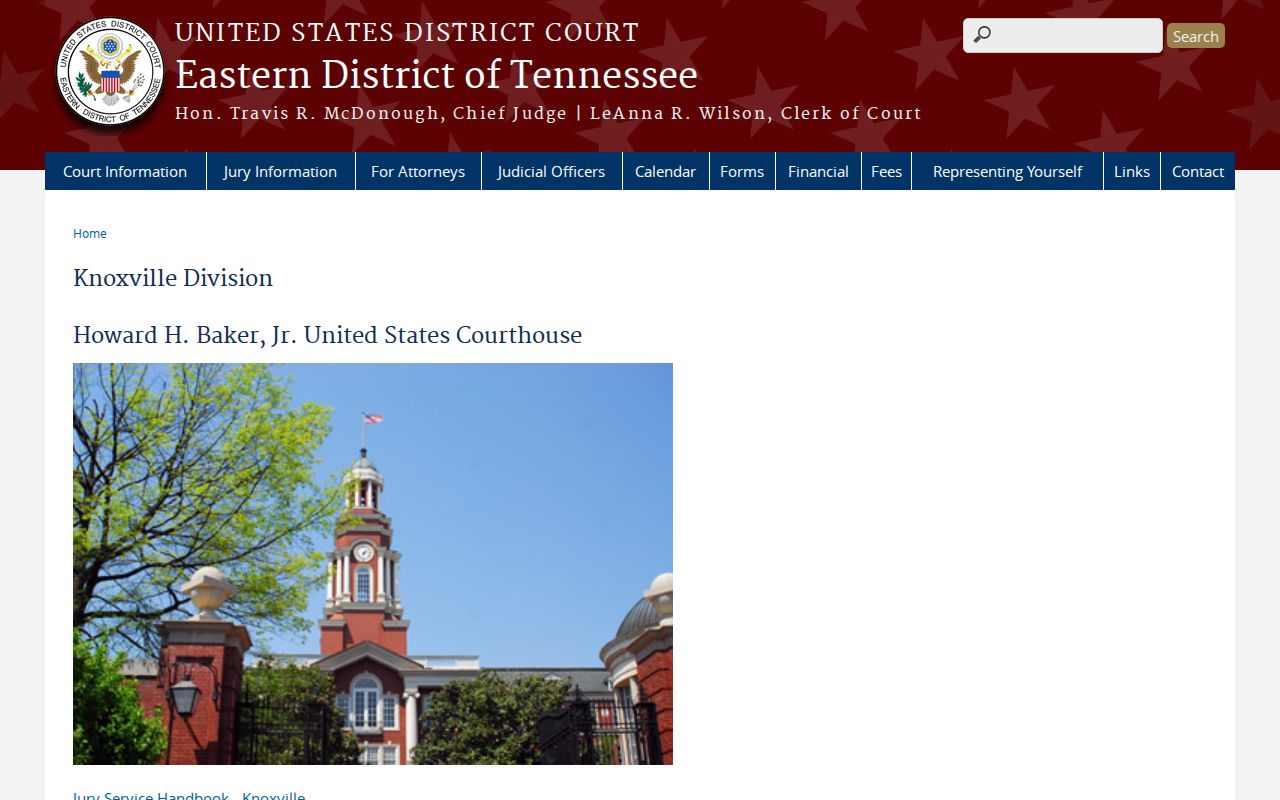
A blank county result cannot rule out a federal prosecution, just as a federal docket does not replace a Knox County court search.
The official PACER system provides federal docket access through an account.
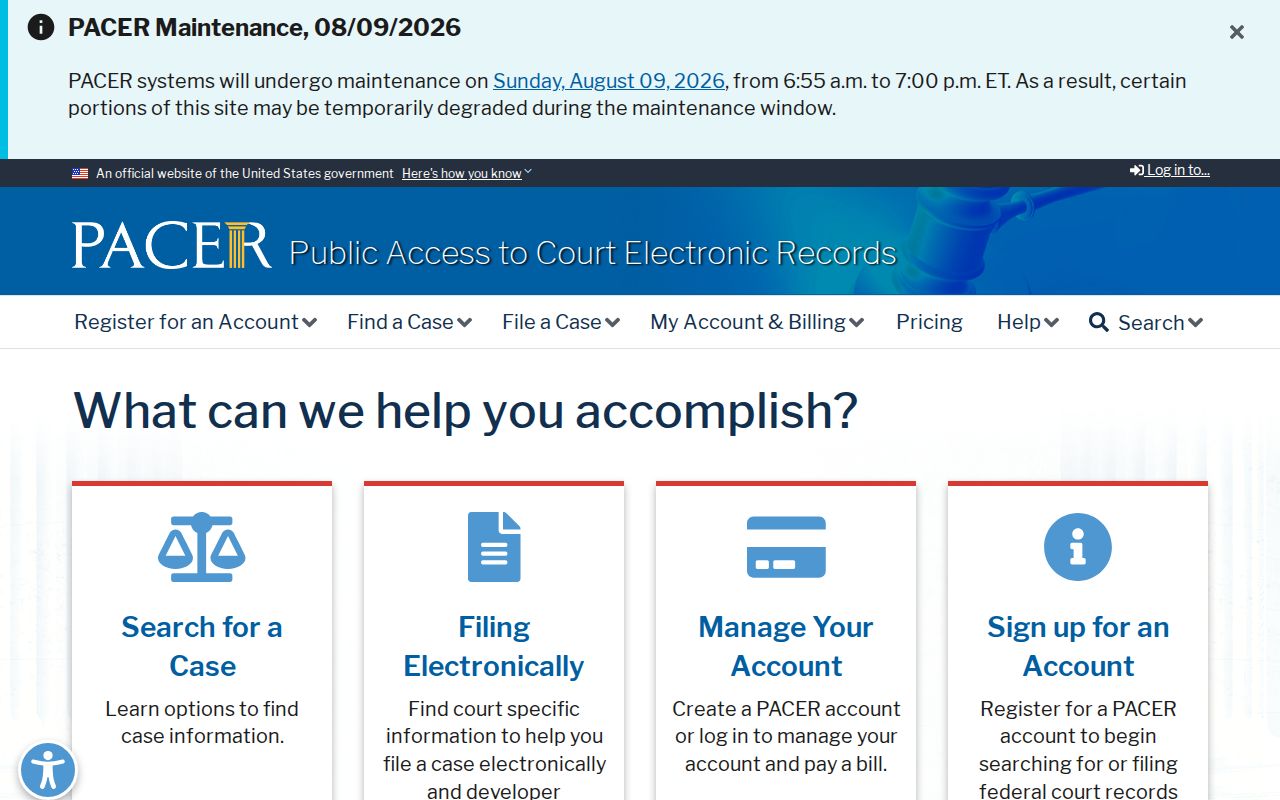
PACER must be searched apart from county court tools and can assess per-page charges under current federal policy.
The TDOC community-supervision directory lists Knox District 20 for state probation and parole questions.
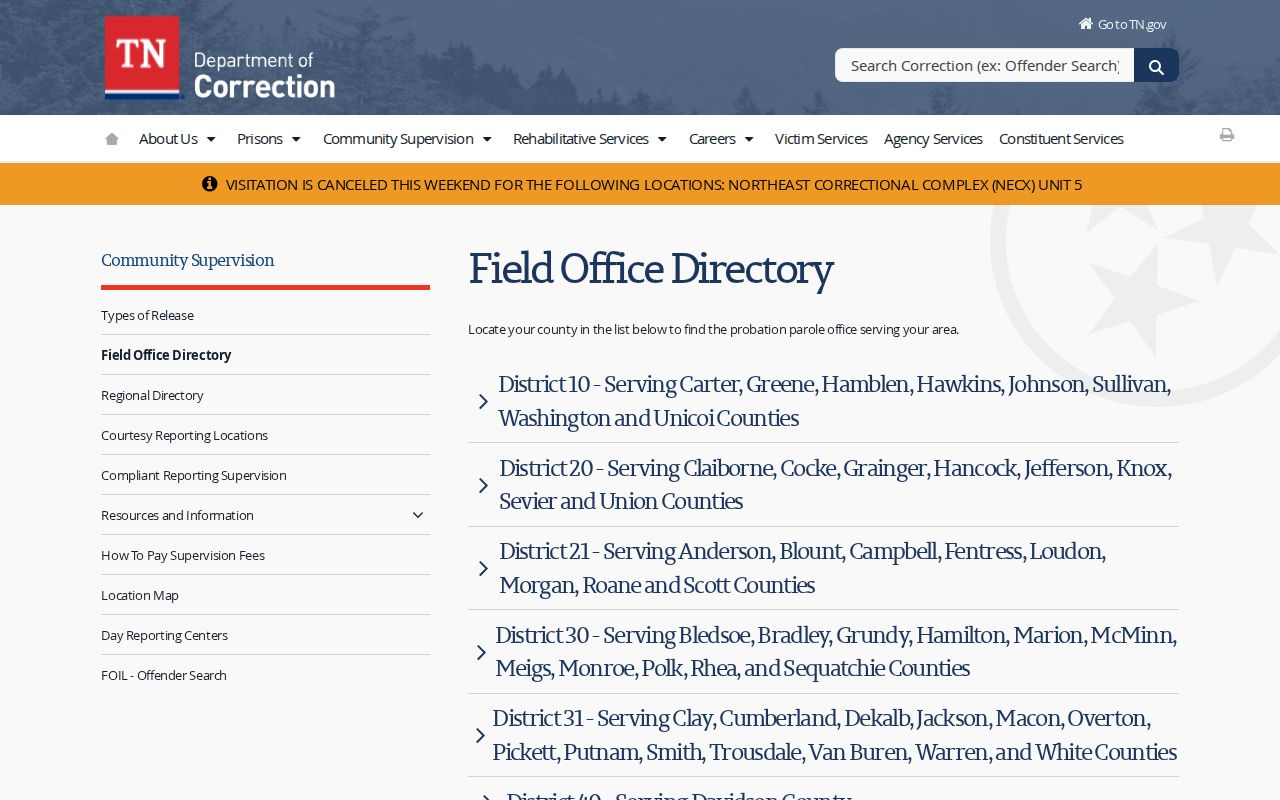
That office is distinct from pretrial services, the sentencing court, and the Board of Parole's decision role.
Knox County Criminal Records by City
Official Census geography identifies two incorporated municipalities in Knox County. Knoxville is the county seat and has its own police department, records unit, and City Court. Farragut has no municipal police department or city jail, so criminal reports and bookings generally route through KCSO, while Town Hall keeps municipal court and administrative records. The city channels differ enough to merit separate record routes.
Knoxville Criminal Records
202,021 estimated residents in 2025. KPD records and Knoxville City Court add municipal sources.
Farragut Criminal Records
25,121 estimated residents in 2025. KCSO handles police service while Town Hall keeps municipal records.
Unincorporated Knox County relies on county agencies rather than another city page. Knoxville crime figures should not be assigned to Farragut or to the county balance.